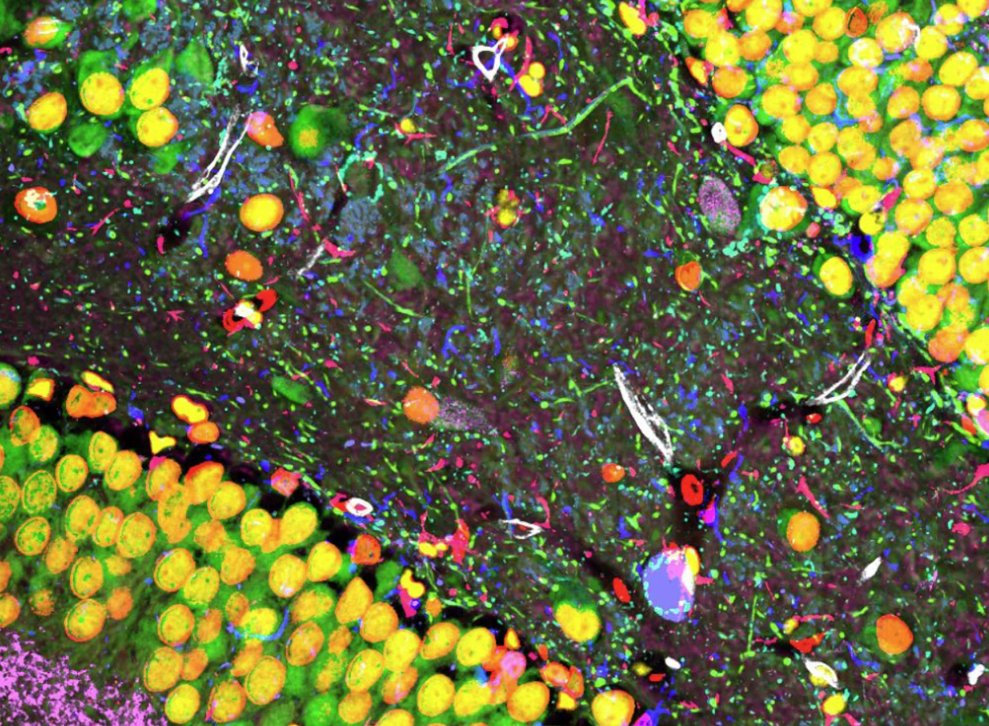
We treat tissue imaging as a precision engineering system — integrating novel chemistry, automated processes, AI-based analysis, and nanofabrication to produce large-scale, quantitative spatial biology data. Our goal is to map the molecular architecture of cancer and the brain at nanoscale resolution, and to translate these biological blueprints into next-generation semiconductor devices.
End-to-end optimization of the full imaging workflow — from tissue preparation and labeling chemistry to microscopy, image registration, and quantitative analysis — to generate accurate, reproducible, high-dimensional spatial datasets from cancer and brain tissues.
Chemical and materials strategies that enhance imaging capability — including expansion microscopy, hydrogel engineering, and labeling chemistry — to improve structural fidelity, signal accessibility, and multiplexing performance across diverse tissues.
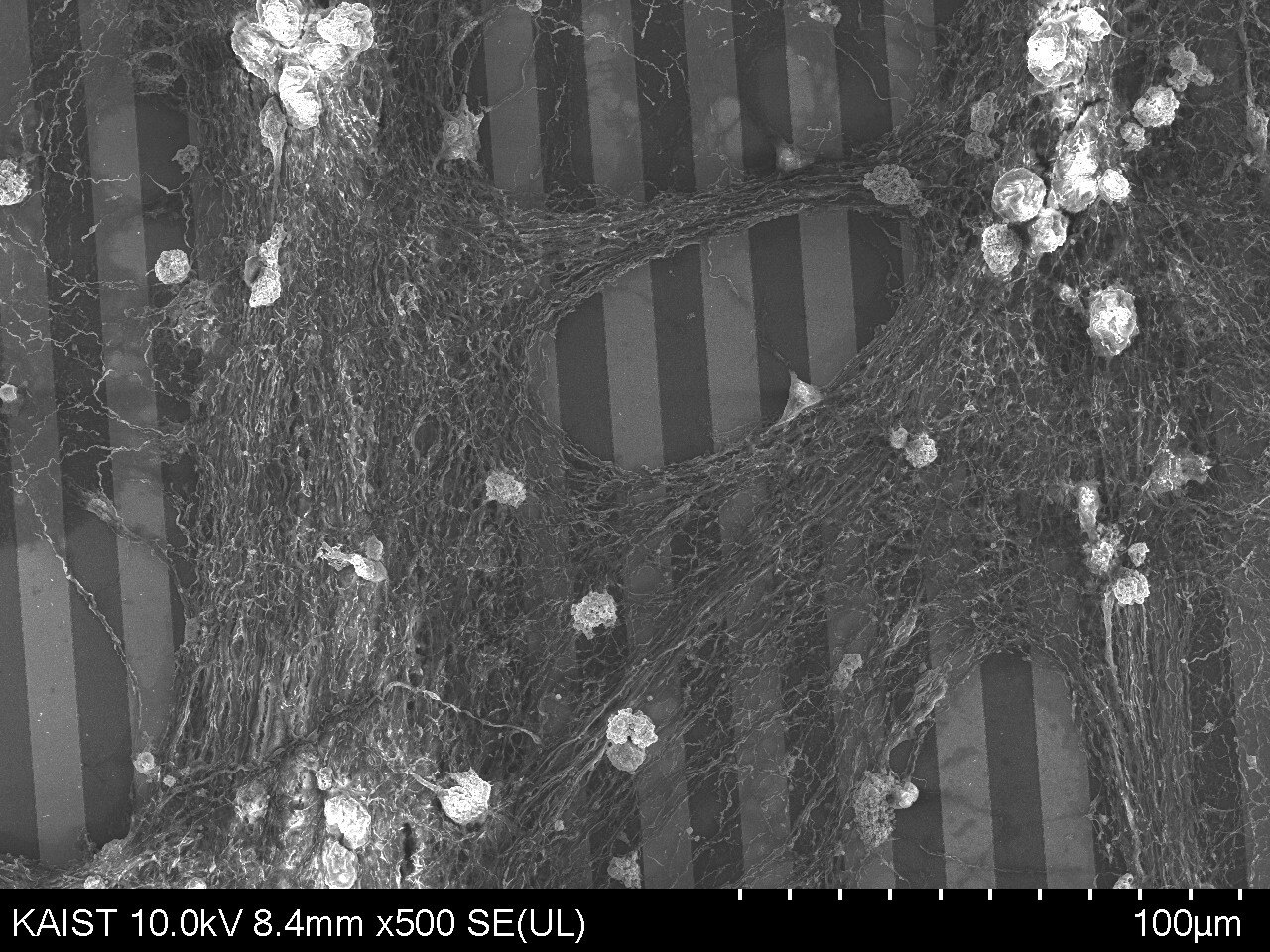
Engineering neuronal architectures through surface patterning and molecular control, then linking structural imaging readouts to metallization, electrical characterization, and device behavior — toward new bioelectronic and neuromorphic platforms.
Jueun Sim+, Chan E Park+, In Cho+, et al. · ACS Nano
ACS Nano →Dae-Hyeon Song+, Chang Woo Song+, Seunghee H. Cho+, et al. · Advanced Science
Advanced Science →C. Song+, D. Song+, D. Kang, et al. · Advanced Materials
Frontispiece featured Advanced Materials →J. Seo+, Y. Sim+, J. Kim+, et al. · Nature Communications
Nature Communications →J. Chang, F. Chen, Y. Yoon, et al. · Nature Methods
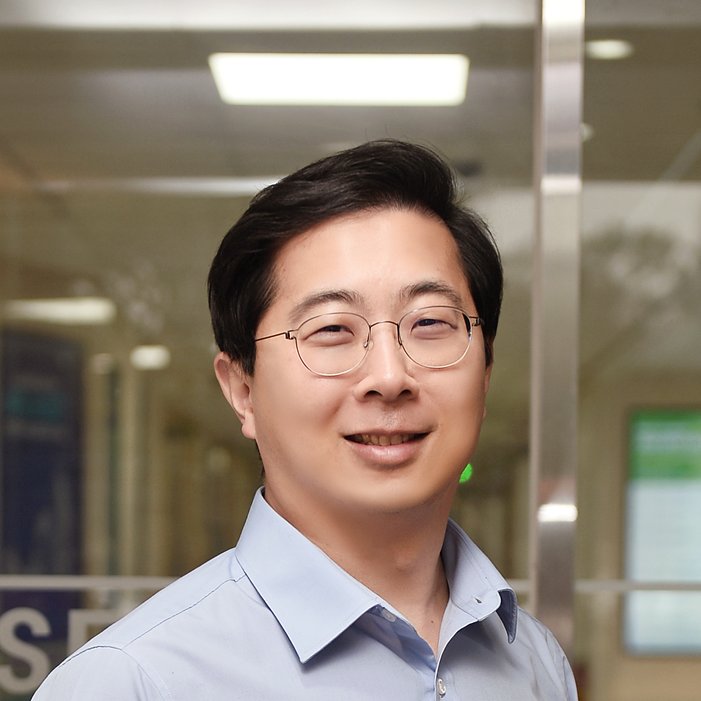
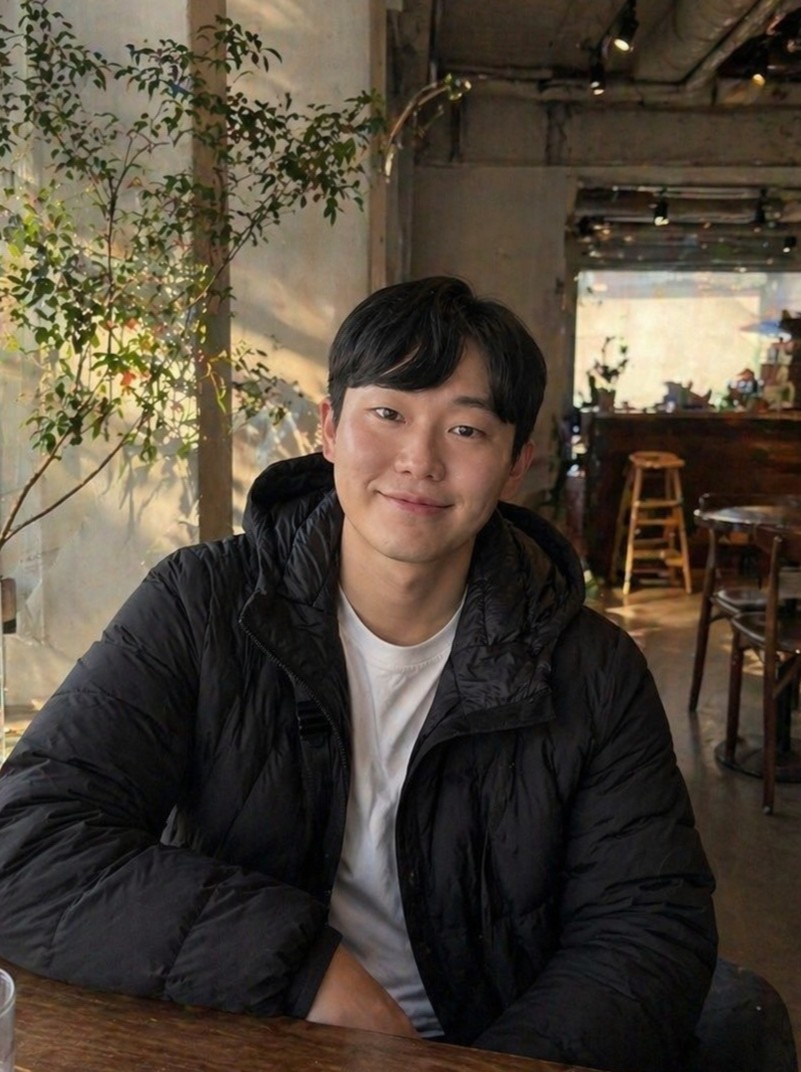
Key publication Nature Methods →Principal Investigator
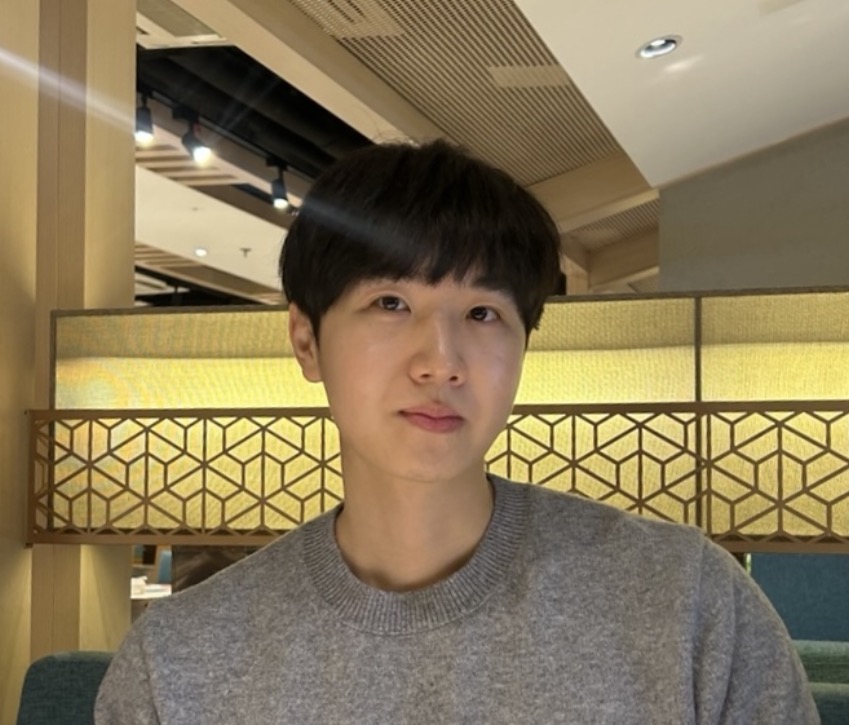
PhD Student
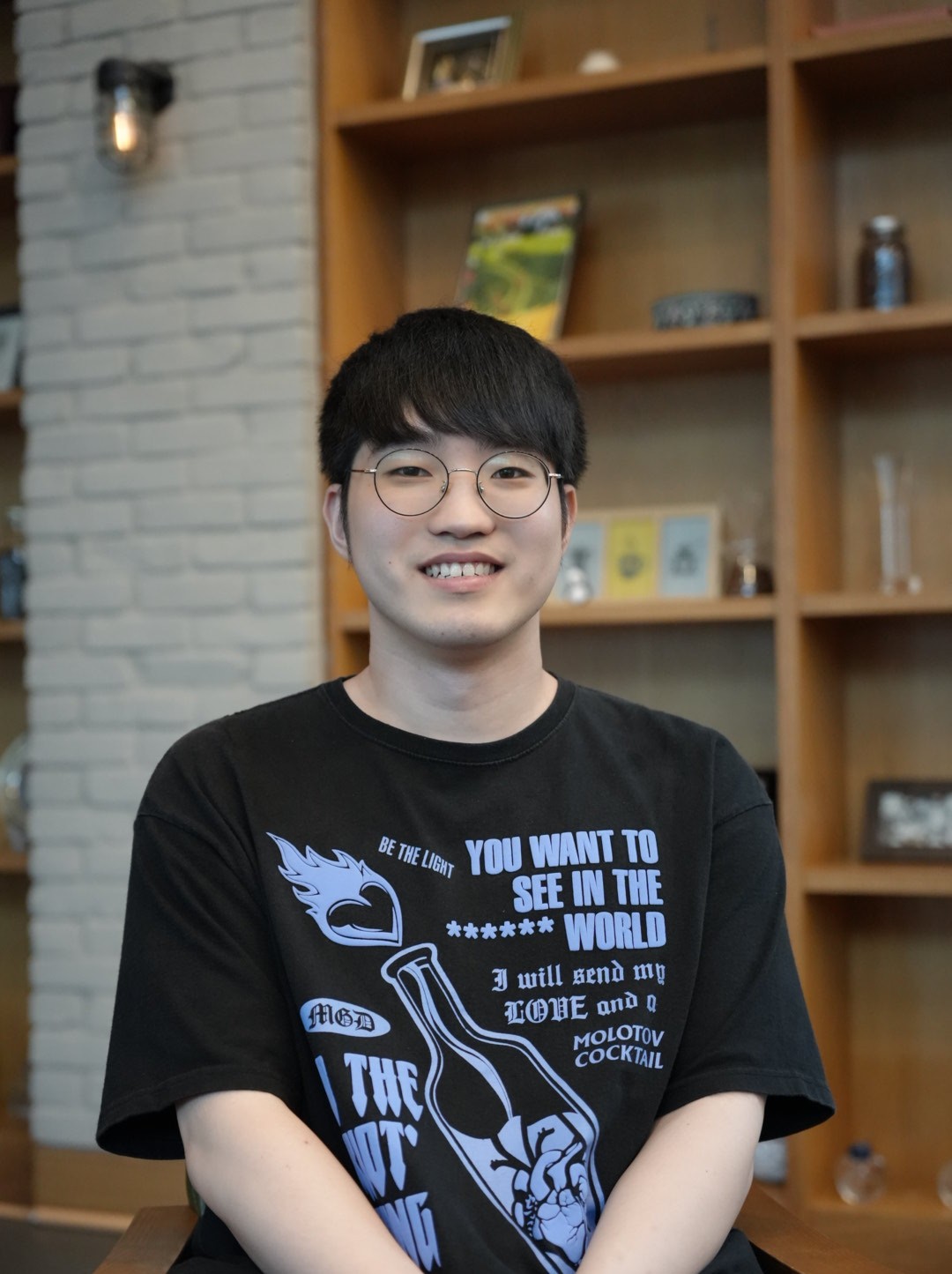
PhD Student
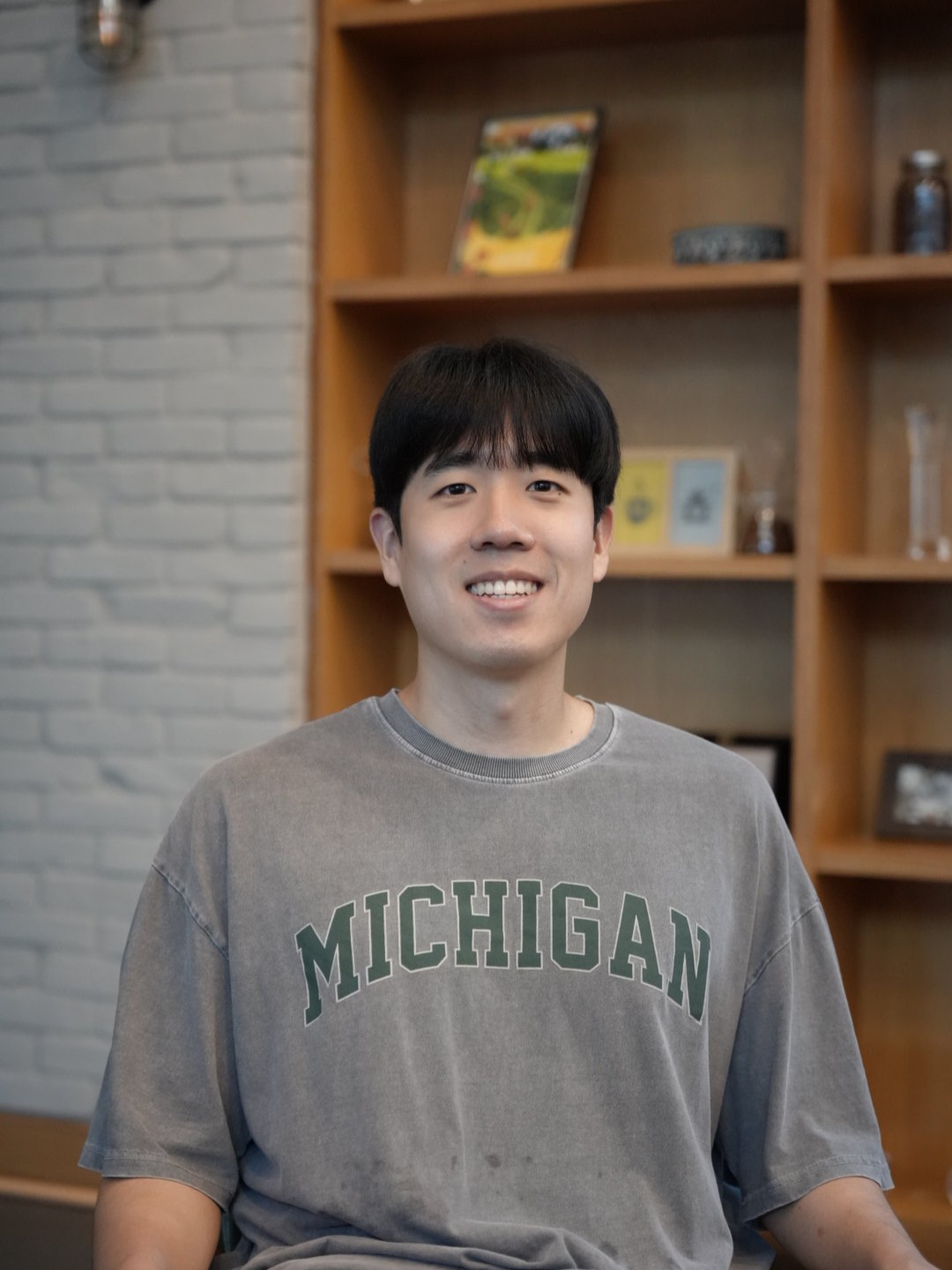
PhD Student
PhD Student
PhD Student
PhD Student
PhD Student
We are actively recruiting motivated MS/PhD students with backgrounds in biology, chemistry, physics, or engineering. Positions are available each semester.
Inquire →Candidates with expertise in imaging, soft matter, or single-cell biology are encouraged to reach out with a CV and brief statement of research interests.
Inquire →Motivated undergraduates can join through UROP or informal internship programs. Reach out early in the semester.
Inquire →Department of Materials Science and Engineering
KAIST, Daejeon, South Korea
jbchang [at] kaist.ac.kr